

Security01 / 03
Security doors
Reinforced leaves, multi-point locking and anti-lift hinges for server rooms, cash areas and restricted zones.
View specifications
Blast · Steel
Heavy steel doors and frames designed for a stated blast load and anchored into the blast wall, so the building keeps protecting the people inside.
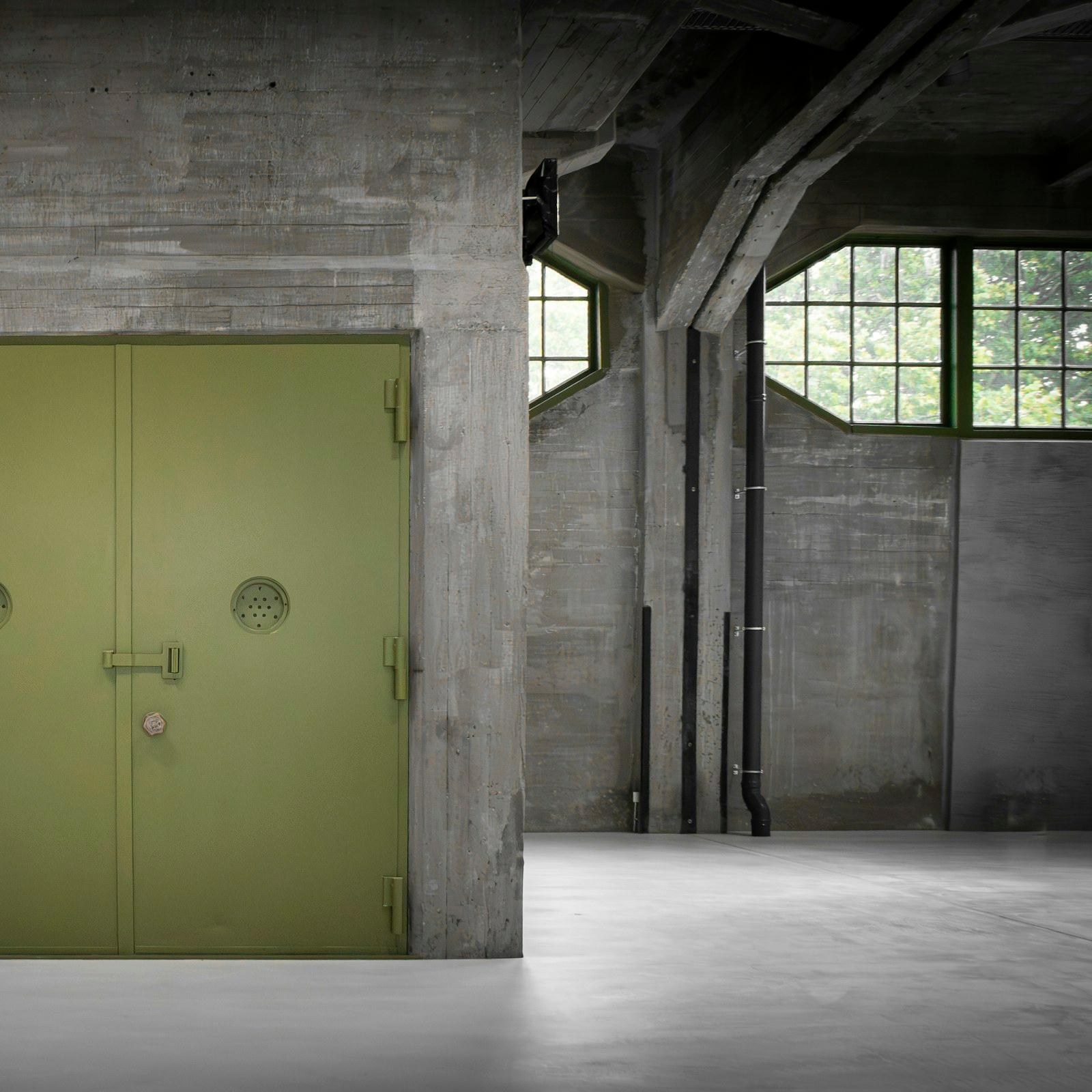
A blast resistant door is a heavy steel leaf and frame designed to stay in its opening when the pressure wave from an explosion reaches the building. It is part of the blast-resistant envelope, so it has to resist the same load as the wall around it. If the door fails, it can become a projectile and let the pressure into the room it was meant to protect.
Blast resistant doors are not specified by a generic rating. They are specified by a blast load: the peak reflected overpressure, in psi, bar or kPa, and the positive-phase duration in milliseconds, or the impulse. For buildings at process plants these figures usually come from the client's blast or siting study, often carried out under API RP 752 for permanent buildings or API RP 753 for portable buildings. We need that load before a door can be designed or selected.
The specification also sets the required response: whether the door only has to stay in place, or must still open after the blast so people can escape. That choice drives the design of the leaf, hinges and locking. Frames are anchored into reinforced concrete or steel blast walls, and the support reactions should be checked by the building's structural engineer. Many blast doors are also fire rated, and some must be gas-tight for pressurised control rooms.
Each door is matched to the overpressure and duration in your blast study, so its capacity is documented rather than assumed.
Where the specification requires it, the leaf, hinges and locks are designed so the door can still be opened for escape after the blast.
The design looks at the rebound after the positive phase as well as the inbound load, so the hinges and locks hold the leaf both ways.
Heavy frames are fixed into reinforced concrete or steel blast walls, so the load passes into the structure and not into a weak surround.
Blast resistance can be combined with a fire rating and, where needed, gas-tight seals for positive-pressure control rooms.
Blast
Specifications vary by configuration. Send us your door schedule for a confirmed specification.
Specify blast resistant doors in any building that must protect people or critical equipment from an accidental or deliberate explosion.
Blast doors are validated by testing to methods such as ASTM F2247, an equivalent static load test, or ASTM F2927, which subjects the door system to an airblast load, or by engineering analysis using approaches such as UFC 3-340-02 and Protective Design Center (PDC) methods. Any test reports or calculations listed below state the load and response they cover. Ask us for the evidence that applies to your door.
The blast load and the required response. The load is normally given as peak reflected overpressure and positive-phase duration, or impulse, taken from the blast or siting study for the building. We also need the door size, swing direction, wall construction, whether the door must stay operable after the blast, and any fire rating or gas-tightness requirement. Without the load, any blast door is a guess.
Overpressure is the peak pressure the blast wave applies to the door face, and duration is how long the positive phase lasts. Impulse combines the two as the area under the pressure-time curve. A short, sharp load and a longer, lower load can do very different damage to the same door, so a peak pressure alone is not enough to specify it.
That is the owner's decision, written into the specification. Doors on control rooms and other occupied buildings are commonly required to stay operable so people can leave once the event is over, which makes them emergency exit doors in the most literal sense. That needs a stiffer leaf, hinges and locks that stay within their limits, and a frame that does not distort around the leaf.
Yes. Many control-room and substation doors combine blast resistance with a fire rating, and some need gas-tight seals so a positive-pressure room keeps out toxic or flammable gas. Each added function changes the construction, so state all requirements together at enquiry and ask for evidence that covers the complete door, not each function separately.
Lead time depends on the blast load, door size, any combined fire or gas-tight requirement and the level of design verification your project asks for. Within Jordan, doors are typically delivered within 1 to 2 weeks; for export, lead time depends on quantity. Send us the blast study data, door schedule and wall details, and we will confirm a programme with your quotation.
Reinforced leaves, multi-point locking and anti-lift hinges for server rooms, cash areas and restricted zones.
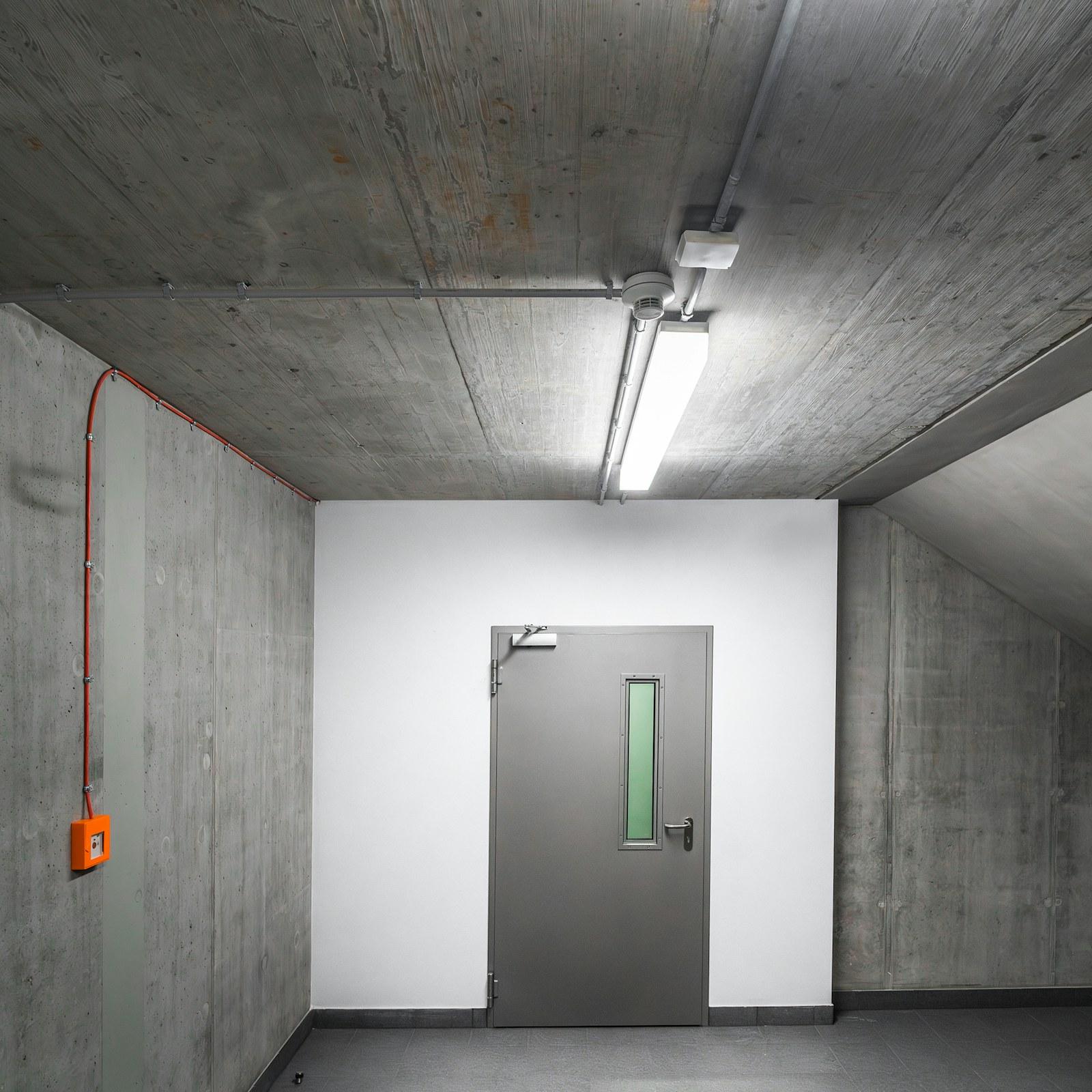
Steel leaf and frame tested together as one assembly to stop fire and smoke at compartment walls, stairs and corridors.
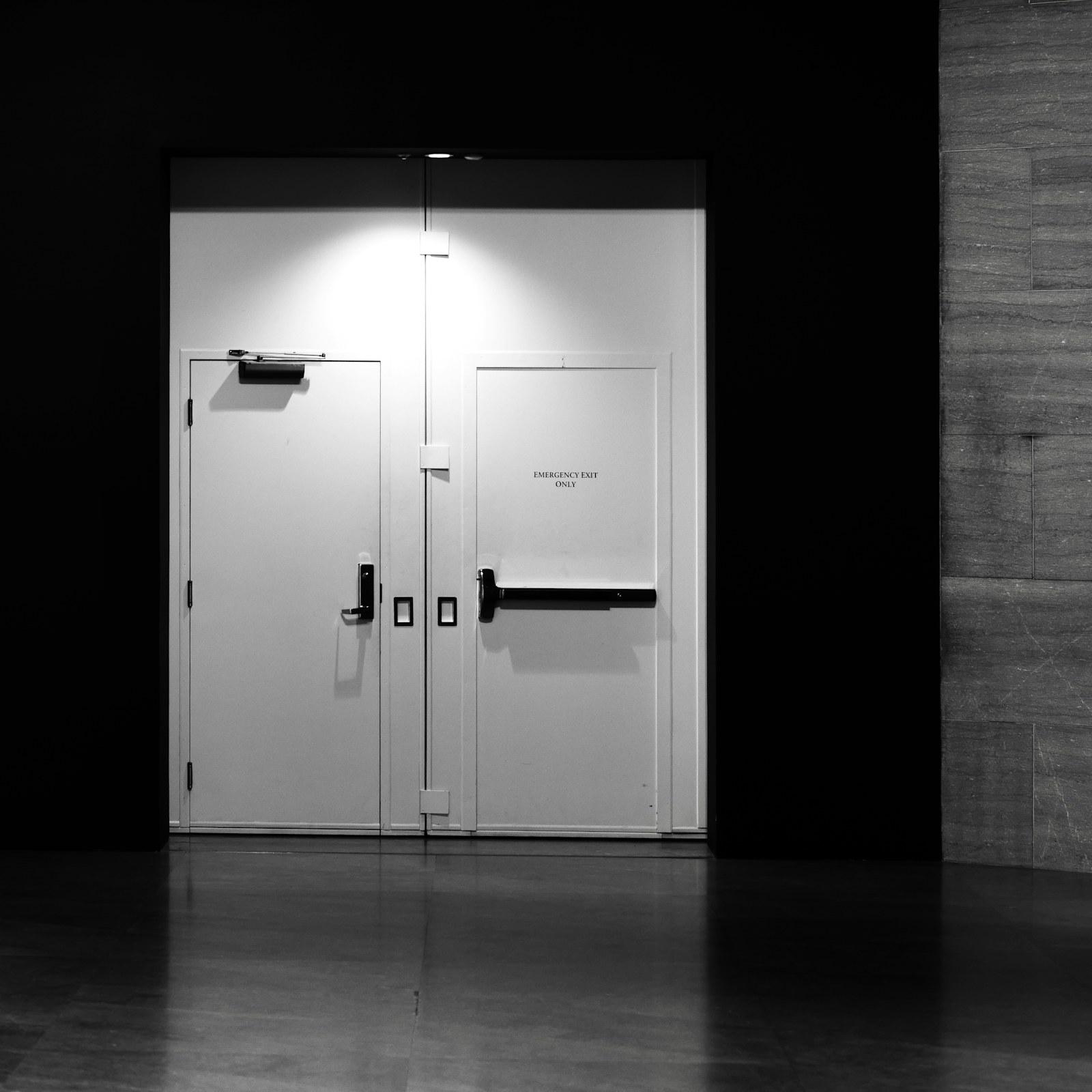
Exit doors with panic or push-bar hardware that open in one movement, every time, under crowd pressure.
Request a quote
Tell us about your project. An engineer will review your requirements and come back with a specification and quotation.
Prefer to talk to an engineer?