
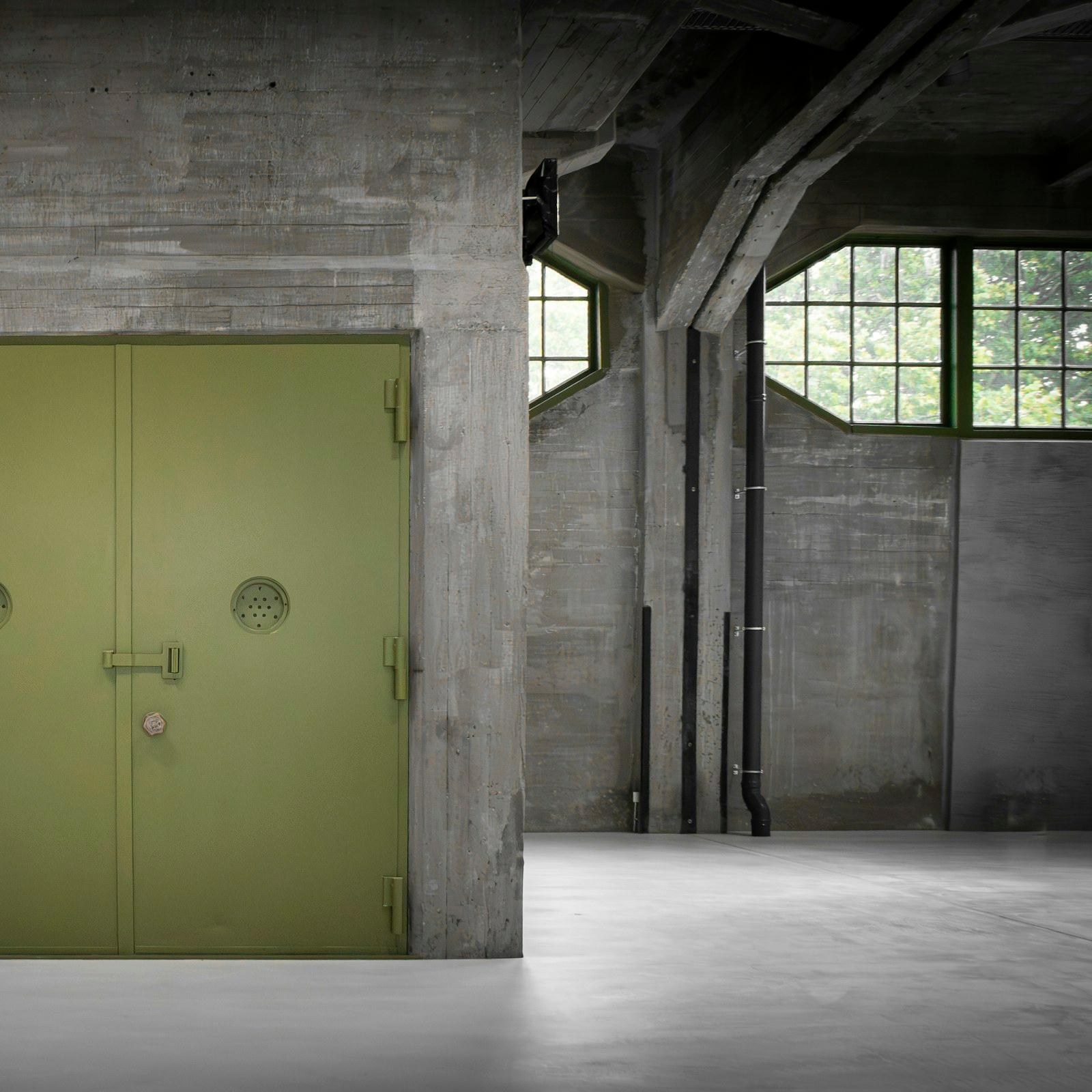
Blast01 / 03
Blast-resistant doors
Doors built to withstand overpressure at control rooms and process buildings in oil, gas and petrochemical plants.
View specifications
Security · Steel
Reinforced steel doors and frames that delay forced entry, specified by resistance class and fixed into the wall as one complete assembly.

A security door is a steel door assembly built to delay forced entry. The leaf, frame, locks, hinges and fixings work together so that an attacker with tools needs time, noise and effort to get through. In Europe this resistance is classified under EN 1627 in six resistance classes, RC1 to RC6. Each class assumes a more capable attacker with heavier tools, and a door only earns a class after testing against static load, dynamic impact and manual attack.
The weakest point decides the result. A reinforced leaf is wasted if the frame can be spread with a bar, the hinges can be cut and the leaf lifted out, or the cylinder can be snapped. That is why we look at the complete opening: multi-point locking along the lock edge, hinge-side dog bolts that hold the leaf when the hinges are attacked, protected high-security cylinders, and a frame anchored into the wall at close centres. A security door is only as strong as the wall it is fixed into, so we check the wall construction before we detail the fixings.
As a security doors supplier in Jordan and the region, we start from your security brief and door schedule and match each opening to the risk behind it. Security doors can also carry a fire rating where the wall needs one, provided the combined construction is covered by test evidence for both functions.
Openings are specified by EN 1627 resistance class, which describes a defined attacker and tool set instead of a vague heavy-duty label.
Bolts throw into the frame at several points along the lock edge, so the leaf cannot be levered open at a single weak spot.
Dog bolts on the hinge edge engage the frame when the door closes, so cutting the hinges does not let the leaf be lifted out.
High-security cylinders sit behind cylinder guards or security escutcheons that resist drilling, pulling and snapping.
Frames are fixed into the wall at close centres, so attack loads pass into the structure instead of springing the frame away from the leaf.
Security
Specifications vary by configuration. Send us your door schedule for a confirmed specification.
Specify security doors wherever an opening protects equipment, cash, records or people from unauthorised entry.
Forced-entry resistance is classified to EN 1627, using the test methods in EN 1628 (static load), EN 1629 (dynamic load) and EN 1630 (manual attack). Ballistic resistance is a separate classification, under standards such as EN 1522 and EN 1523, and needs its own test evidence. Any certificates listed below give the standard, class, test laboratory and certificate number. Ask us for the certificate that covers your exact door configuration.
They are the resistance classes in EN 1627. Each class assumes a more experienced attacker with more tools. RC2 assumes an opportunist with simple tools such as screwdrivers, pliers and wedges, RC3 adds a crowbar, RC4 adds saws, hammers and a cordless drill, and RC5 and RC6 add power tools. Choose the class from what sits behind the door and how long help takes to arrive.
The complete assembly is tested to three methods. EN 1628 applies static loads at points such as the corners and lock positions, EN 1629 applies dynamic impact to the leaf, and EN 1630 has a trained tester attack the door with the tool set for that class for a fixed working time. The door passes only if no opening large enough to get through is created.
Yes. An attacker goes for the easiest route, and a well-tested door in a weak wall simply moves the attack to the wall. EN 1627 sets requirements for the surrounding wall for each class, such as its material and thickness. Tell us how your walls are built and we will detail the frame fixings to suit, or flag where the wall needs upgrading.
Yes, with care. A combined fire and security door needs test evidence that covers both functions in the same construction. On escape routes the door must still open from the inside without a key, so emergency exit doors with security needs use panic or emergency exit hardware that keeps the outside locked while allowing free exit. Check the arrangement against your fire strategy early.
Lead time depends on quantity, resistance class, locking hardware and finish. Within Jordan, doors are typically delivered within 1 to 2 weeks; for export, lead time depends on quantity. Send us your door schedule, the resistance class required for each opening and details of the walls the doors will sit in, and we will confirm a programme with your quotation.
Doors built to withstand overpressure at control rooms and process buildings in oil, gas and petrochemical plants.
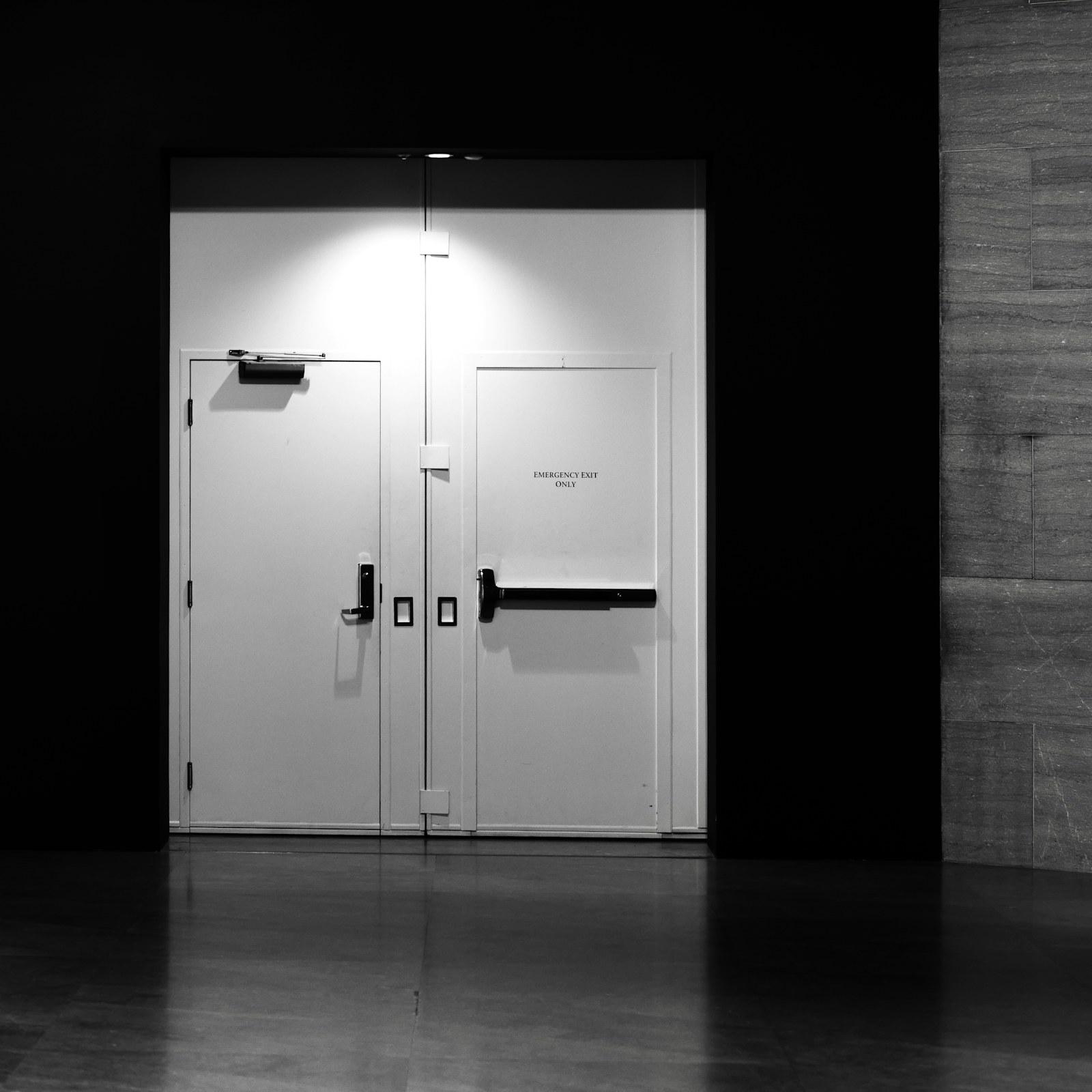
Exit doors with panic or push-bar hardware that open in one movement, every time, under crowd pressure.
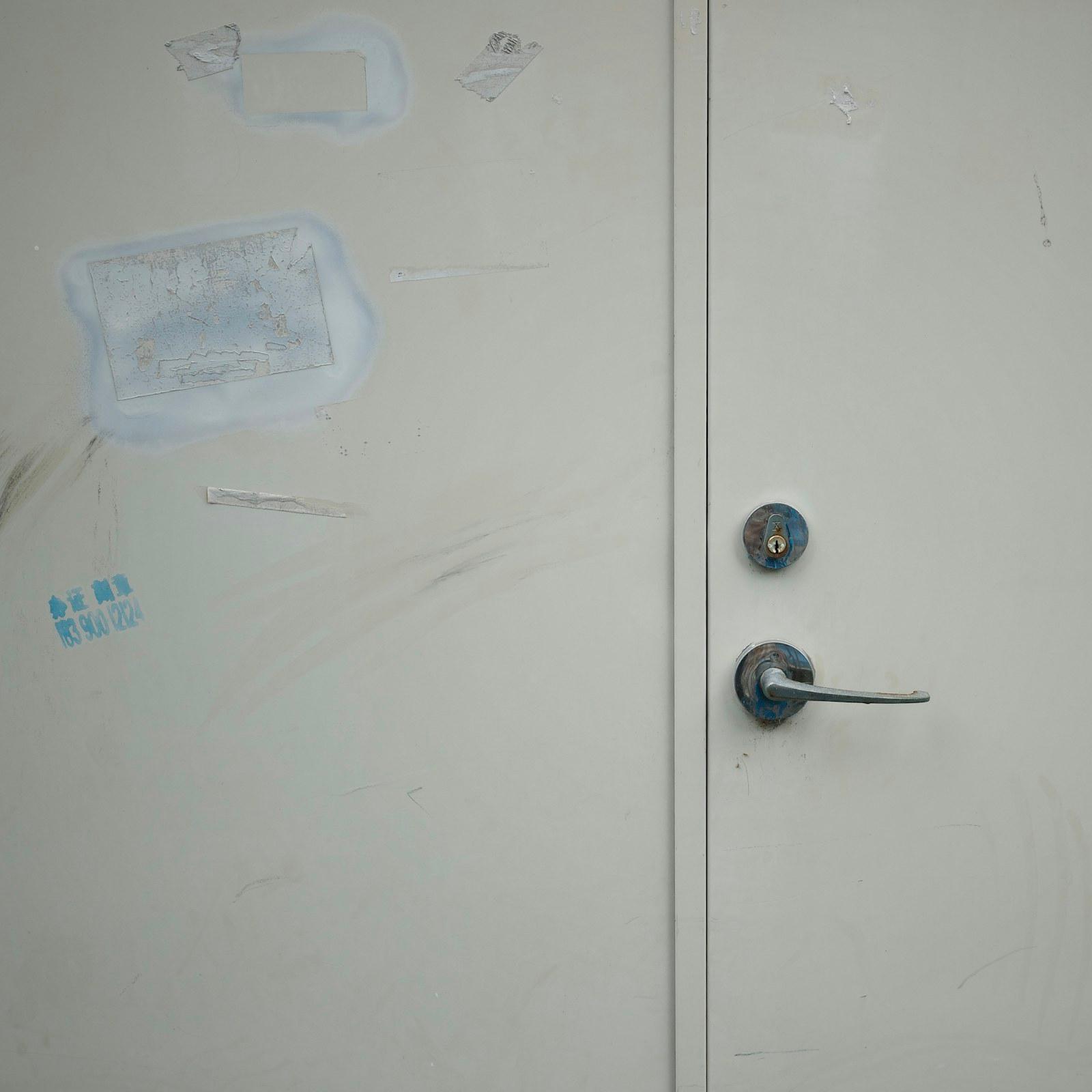
Durable steel doors for plant rooms, back-of-house areas and busy corridors where a fire rating is not required.
Request a quote
Tell us about your project. An engineer will review your requirements and come back with a specification and quotation.
Prefer to talk to an engineer?